
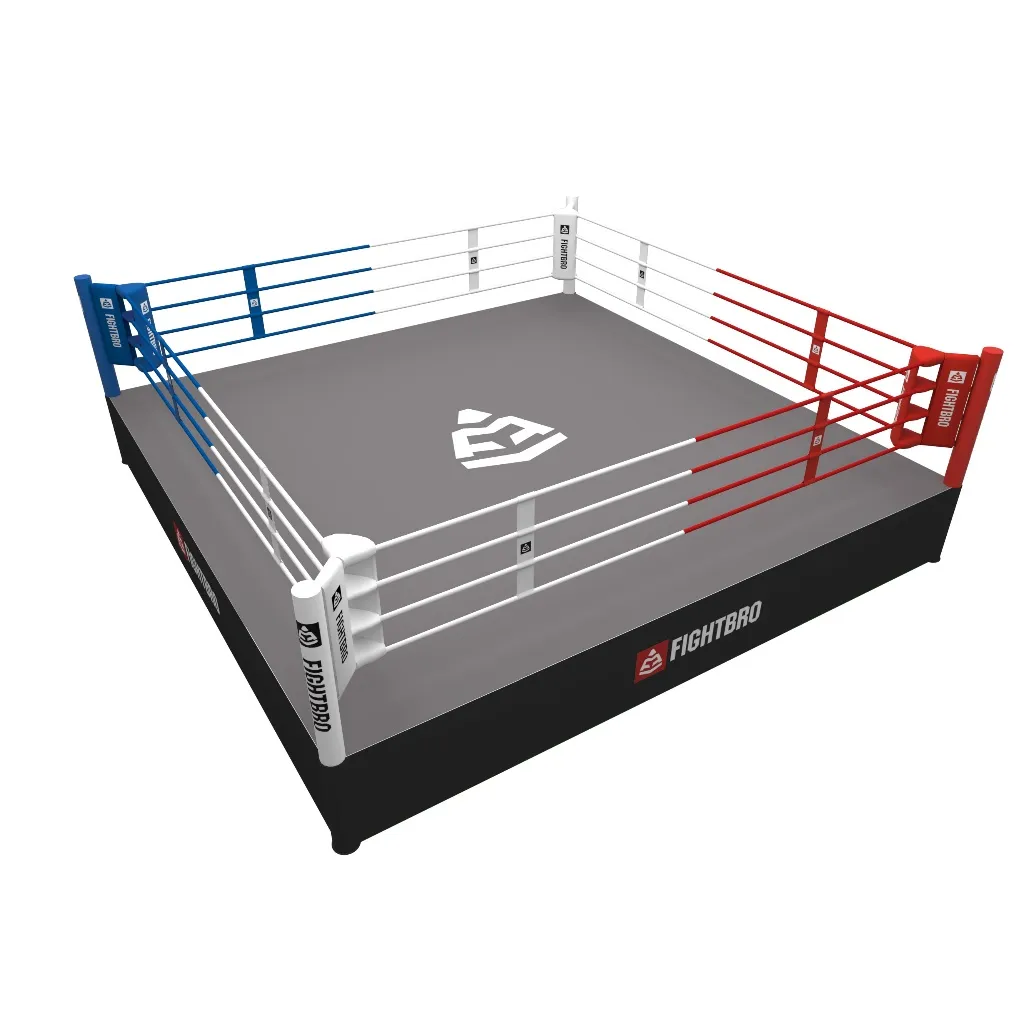
A boxing ring can become the main training feature in a commercial fight gym, but choosing the right one takes more planning than simply checking its dimensions. The ring must suit the available floor space, training style, number of athletes, safety requirements, and the long-term direction of the facility.
For gym owners opening a new location or upgrading an existing space, it is worth thinking about how the ring will function during real training sessions. A setup used mainly for technical drills may have different requirements from one used for regular sparring, competition preparation, private coaching, and busy group classes.
Start With the Available Training Space
The first step is to measure the usable floor area carefully. Total building size can be misleading because columns, storage areas, changing rooms, walkways, strength equipment, and bag stations may already take up a significant amount of space.
The ring also needs clearance around its outer edges. Coaches must be able to move comfortably, athletes need safe entry and exit points, and members should not have to squeeze between the ring and nearby equipment.
Creating a simple floor plan before making a purchase can help gym owners decide whether a full-size ring, compact setup, or lower-profile option is most practical.
Match Ring Size to Your Training Style
The right ring size should reflect how athletes train. Smaller rings can work well for technical sessions, controlled sparring, and facilities where every square foot matters. Larger rings give athletes more room to work on movement, distance control, and competition-style preparation.
When selecting a boxing ring, it is important to consider both the internal fighting area and the full external footprint. Corner posts, ropes, stairs, and platform sections can make the total installation considerably larger than the usable training area.
Gym owners should also think about class volume. If several athletes rotate through the ring during peak hours, a larger setup may improve training flow and reduce congestion.
Consider Platform Height and Construction
Commercial rings come in different structural styles. Elevated platform rings offer a traditional competition look and create a clear separation between the ring and the rest of the gym floor.
Lower-profile or floor-level setups may be more practical for gyms focused mainly on everyday coaching and technical training. They can also make access easier and help integrate the ring into a multi-use facility.
Construction quality matters because commercial gym equipment is used repeatedly. Posts, ropes, padding, canvas, and frame components should be built to handle frequent impacts and daily wear.
Plan the Gym Layout Around Movement
A ring should support the overall layout rather than create obstacles. Owners should think about how members move between warm-up areas, punching bags, mats, changing rooms, and strength equipment.
Placing a large ring in a narrow part of the gym may cause bottlenecks. In a wider facility, however, a central ring can serve as both a practical training zone and a visual focal point.
Cleaning access, emergency routes, equipment storage, and coach movement should all be considered before the final position is chosen.
Think About the Rest of the Equipment
A commercial boxing gym needs more than a ring. Gloves, punching bags, pads, protective gear, flooring, and mounting systems all contribute to the training environment.
For facilities purchasing several categories of equipment at once, using a boxing equipment wholesale option may help simplify larger orders. This can be especially useful when outfitting a new gym, expanding an existing location, or replacing multiple pieces of equipment at the same time.
The important point is to plan the facility as a complete system rather than buying each item separately without considering how everything will work together.
Leave Room for Coaches and Safety
The area around the ring is just as important as the ring itself. Coaches may need to observe athletes from different angles, while fighters require clear access to steps or entry points.
Avoid using the space immediately around the ring as general storage. Bags, water bottles, spare gloves, and pads can quickly create clutter during busy sessions.
A cleaner perimeter improves movement and makes the training space feel more organized, especially when several athletes and coaches are working at the same time.
Plan for Maintenance and Future Growth
Commercial rings need regular care. Ropes may require adjustment, canvas needs cleaning, padding can wear over time, and structural parts should be inspected periodically.
It is also wise to think about how the gym may develop. A facility that begins with fitness boxing may later add amateur competition training, youth sessions, private coaching, or more advanced sparring.
Leaving enough space and choosing a suitable ring from the start can make future growth easier without forcing the owner to redesign the entire training floor.
Conclusion
Choosing the right boxing ring for a commercial gym requires careful attention to space, training needs, construction, layout and plans. The best option is not always the largest ring, but the one that fits naturally into the way the facility operates.
By considering the full training environment before installation, gym owners can create a practical ring area that supports coaches, athletes, daily classes, and long-term growth.